The Independent Uganda: You get the Truth we Pay the Price


Kampala, Uganda | THE INDEPENDENT | The role of journalists is evolving beyond reporting events and publishing stories. Increasingly, Uganda’s media practitioners are turning to digital platforms not only to reach wider audiences but also to mobilise public action, connect vulnerable communities to assistance and sustain conversations that extend far beyond the evening news bulletin.
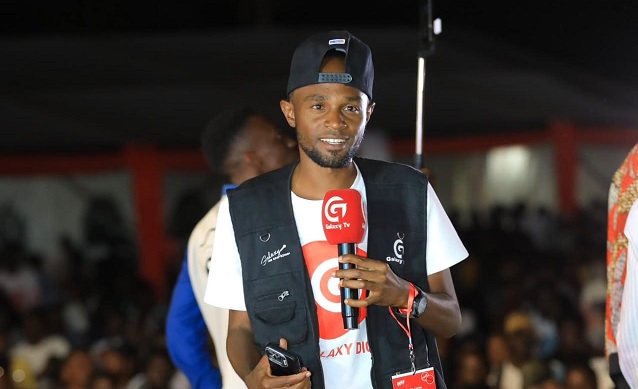
Among those embracing this shift is Galaxy FM and Galaxy TV multimedia journalist Nareeba Washington Steven, whose work illustrates how traditional journalism is adapting to the digital age.
For decades, radio and television were the primary channels through which journalists informed the public. Today, platforms such as TikTok, Facebook and X have become extensions of the newsroom, allowing reporters to engage directly with audiences, receive instant feedback and build communities around issues of public interest.
Nareeba has emerged as one of the journalists leveraging this transformation. While continuing his work on Galaxy FM and Galaxy TV, he has built an audience of more than 1.2 million followers on TikTok, where news reporting is increasingly intertwined with civic engagement and community mobilisation.
Unlike conventional broadcasting, where stories often conclude once they air, Nareeba’s digital platforms allow conversations to continue long after publication. His social media accounts regularly feature follow-ups to stories, updates on community concerns and appeals for assistance for individuals facing medical emergencies, financial hardship or alleged injustice.
The approach reflects a growing trend in journalism where audiences are no longer passive consumers of news but active participants in finding solutions to community challenges.
Through short-form videos, Nareeba has highlighted cases requiring urgent medical treatment, drawn attention to alleged cases of corruption and amplified grievances from communities seeking intervention from public authorities.
In many instances, members of the public have responded by contributing funds, offering legal assistance or connecting affected families to organisations able to provide support.
The convergence of traditional media and digital platforms has also expanded the reach of community-centred reporting. Stories that may have attracted local attention through radio or television can now reach national and international audiences within hours, generating broader public discussion and, in some cases, prompting institutional responses.
Media analysts say the shift reflects changing patterns in news consumption, particularly among younger audiences who increasingly access information through social media rather than conventional broadcast channels. For journalists, digital platforms offer opportunities to provide additional context, publish real-time updates and engage audiences in ways that were previously impossible.
However, the growing influence of social media also places greater responsibility on journalists to uphold professional standards. As online content travels rapidly, practitioners are expected to balance speed with accuracy, verify information and distinguish public-interest journalism from sensationalism.
Nareeba’s work demonstrates how the two worlds can complement each other. His reporting continues to draw on the editorial discipline of mainstream journalism while using digital platforms to extend the lifespan and reach of stories that affect ordinary Ugandans.
His coverage has frequently focused on human rights concerns, community development and social welfare, providing visibility to people whose voices are often absent from mainstream public discourse. Rather than ending with publication, many of the stories evolve into broader public campaigns, with citizens, civil society organisations and well-wishers joining efforts to provide assistance.
The model represents an emerging form of journalism where storytelling is coupled with community engagement.
As Uganda’s digital audience continues to grow, journalists are increasingly finding that their influence is measured not only by the size of their audience but also by the public conversations and tangible outcomes their reporting inspires.